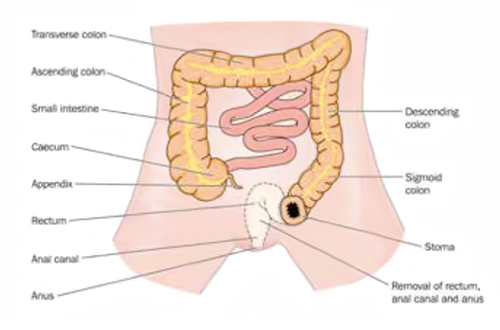
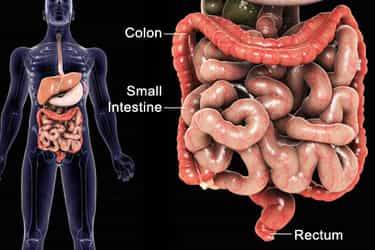
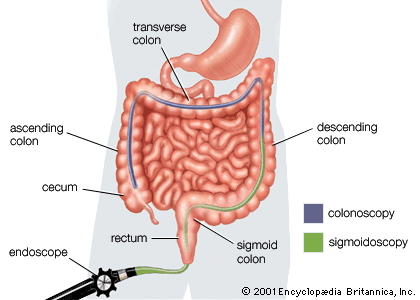
Whenever a patient undergoes a medical procedure that involves the colon or large intestine, the actual results and continued treatment can be both humbling and eye-opening for the individual. Case in point for the life-saving procedure known as an ostomy, a surgery that allows bodily waste to pass through the stomach and into a ‘created’ pouch called an ostomy bag. For example, a colostomy is where a team of surgeons open up–or create–an opening in the large intestine whereby the opening is made by drawing the healthy end of the colon through an incision in the anterior wall of the abdomen and then suturing it back into place.
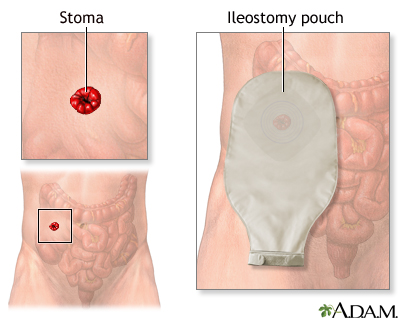
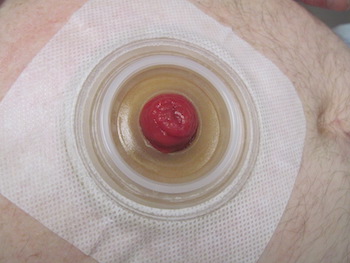
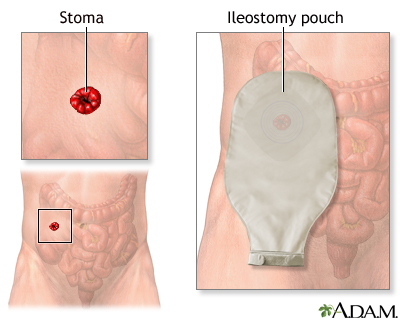
Furthermore, adaptation to life after a colostomy includes finding comfort with a bag that may be temporary or permanent, depending on the severity of your condition. Any ostomy is a surgery that makes the opening in the skin–referred to as a stoma–which is a pathway from your intestine to the exterior of your abdominal wall. There are several types of ostomy’s, however for this purpose, we’ll focus primarily on the large intestine where the colostomy focus is treated.
What is the Purpose of a Colostomy?
The top reasons for this type of surgery are as follows:
1. Diverticulitis – a growth of small pouches in the colon that are subject to inflammation and infection.
2. Inflammatory Bowel Disease – an inflammation of the digestive tract that may require surgery to remove part of the colon.
3. Colorectal Cancer – when changes in bowel movements occur or rectal bleeding, it may be required to remove parts of the colon.
4. Bowel obstruction – a blockage that prevents the passing of digested food through the large intestine or colon.
5. Injury – trauma can create serious damage to the colon, and in this case, the physician may decide to remove the affected organs and create a colostomy.
6. Genetic or birth defects – a baby may be born without an anal opening or a blockage of the anus or an inability to control the nerves of the colon muscles, and for this reason, a colostomy is warranted.
How to Live with a Colostomy Bag
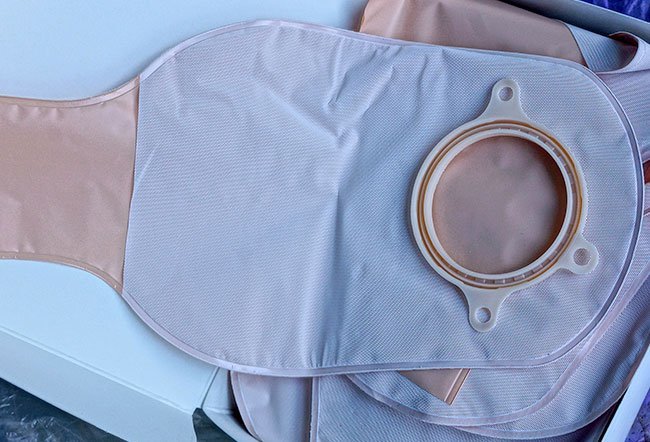
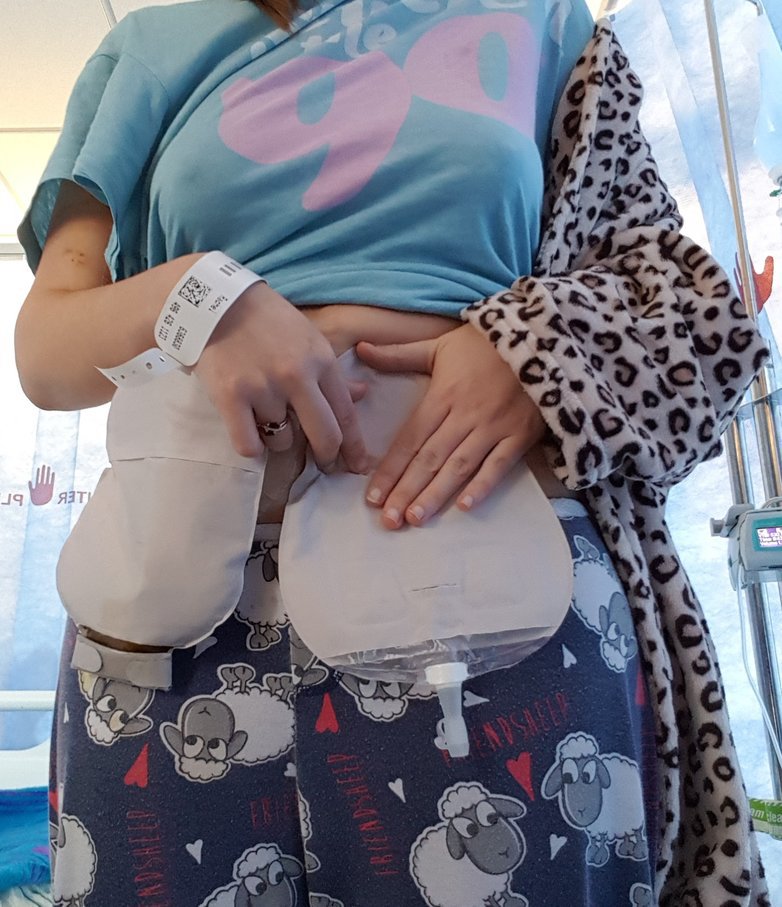
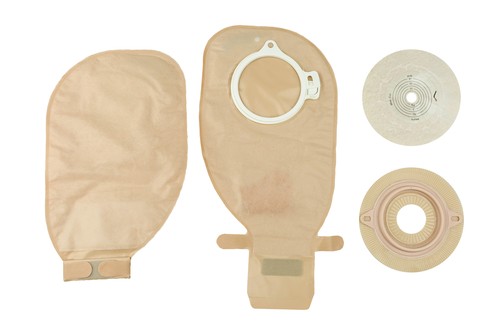
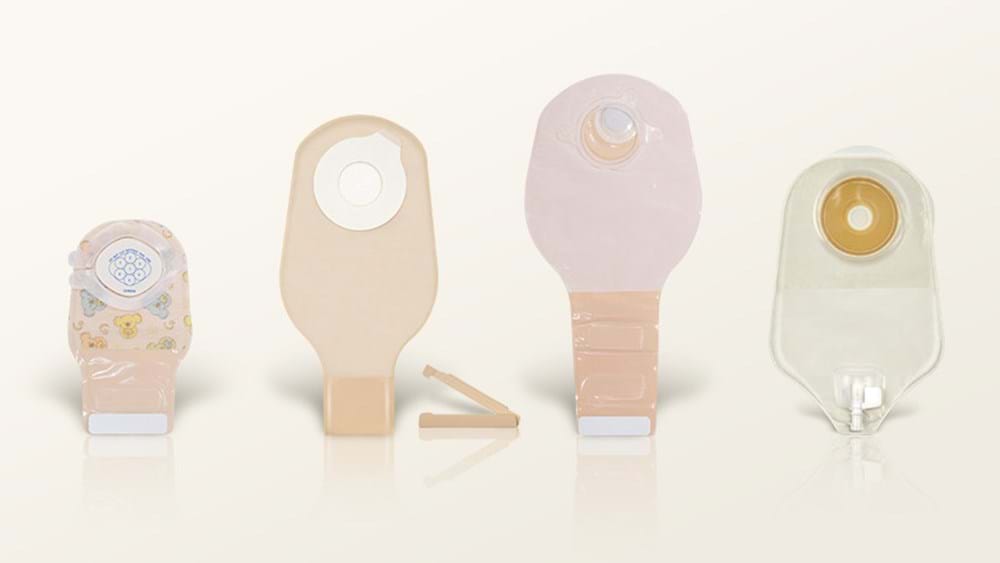
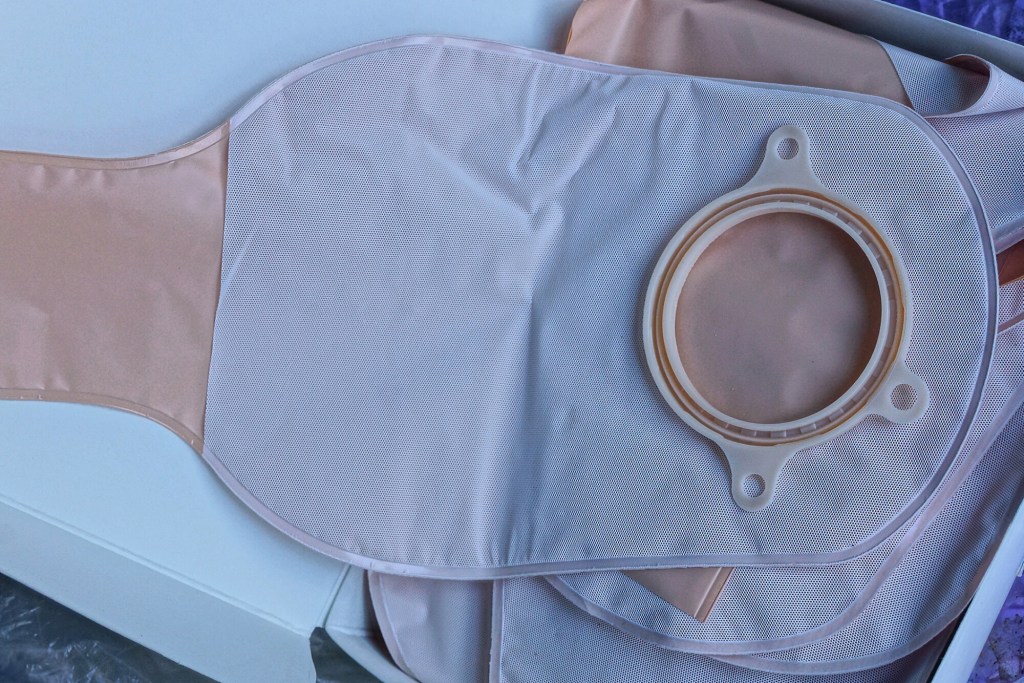
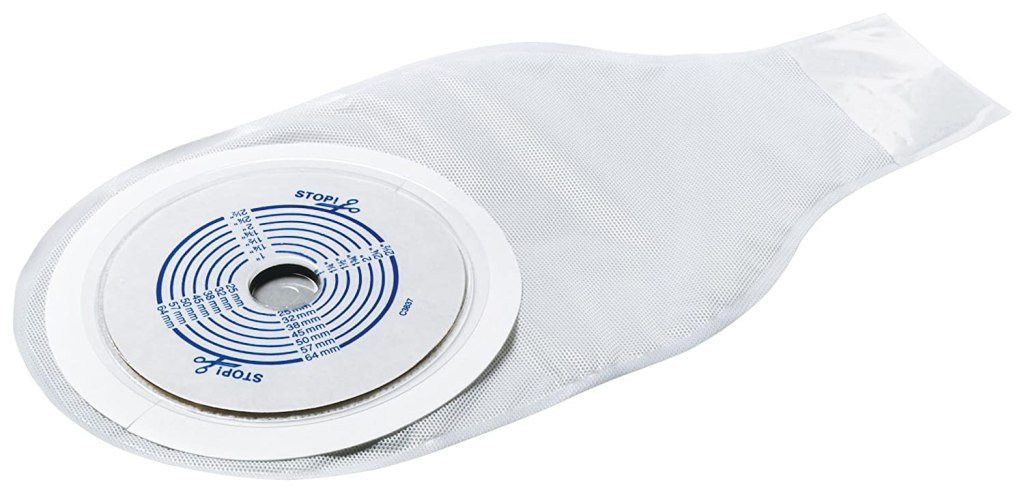
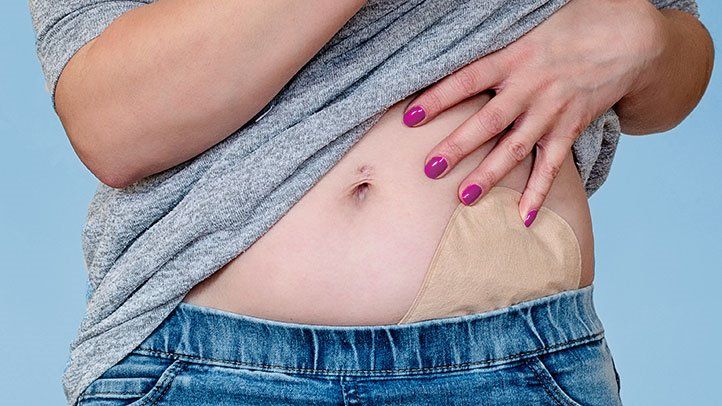
It’s no secret that lifestyle changes are imminent after a colostomy procedure, as there are numerous factors to consider when a colostomy bag is essential to the ongoing livelihood of the affected individual. These bags are small and designed solely to collect bodily waste. For those with a colostomy, the ostomy bags are often hidden and unless mentioned to another, they are a discreet addition to an individual’s body.
When going about your daily routine as a colostomy patient, here are things to remember:
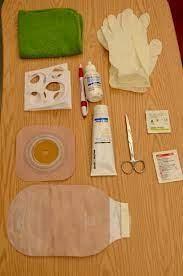
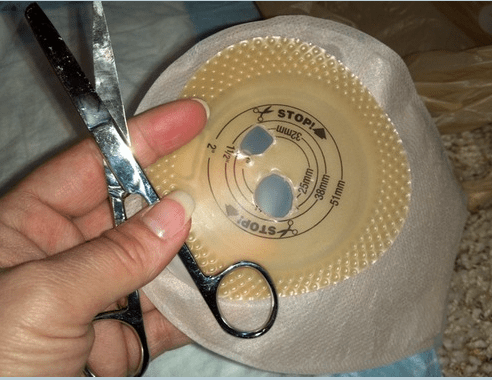
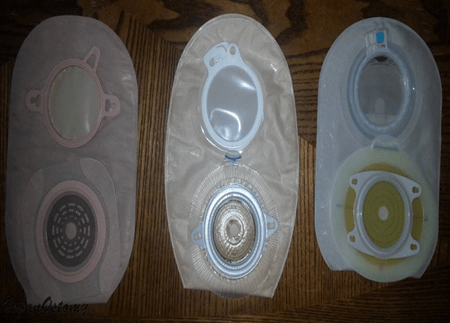
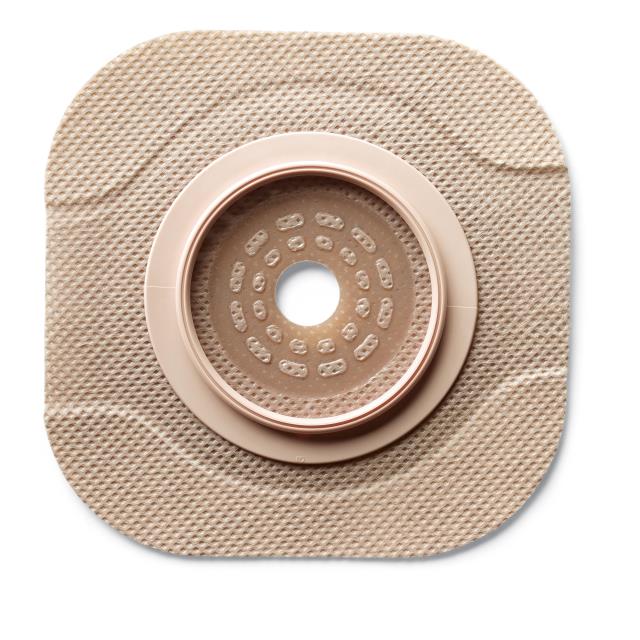
- Make certain you have the necessary colostomy bag accessories to minimize discomfort
- If traveling, have all the necessary appliance changes needed prior to flying or hitting the road
- Limit your intake of odor-causing foods and specifically reduce intake of foods that organically smell
- During intimate relations, try to avoid positions that place pressure on the stoma
- Give your abdominal muscles plenty of time to heal prior to engaging in activity and sports
- Consider a different type during pregnancy to avoid skin lacerations to the abdomen
In Summary
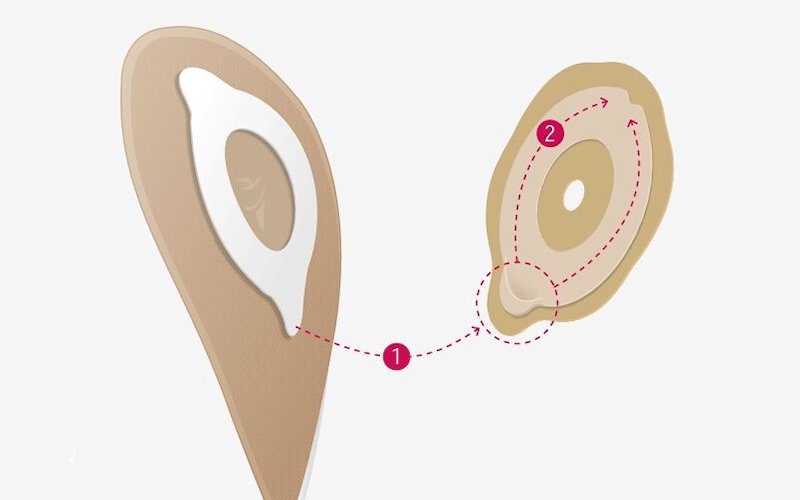
Every day you live with a colostomy bag can be a physical and emotional adjustment. It takes time to understand how it works and to go about your normal routine of work and play. Because it’s more of a private matter to many, the topic of colostomy bags and having one in place might need to be discussed with your primary care physician or support groups who care and can help you adjust to these changes in your life.

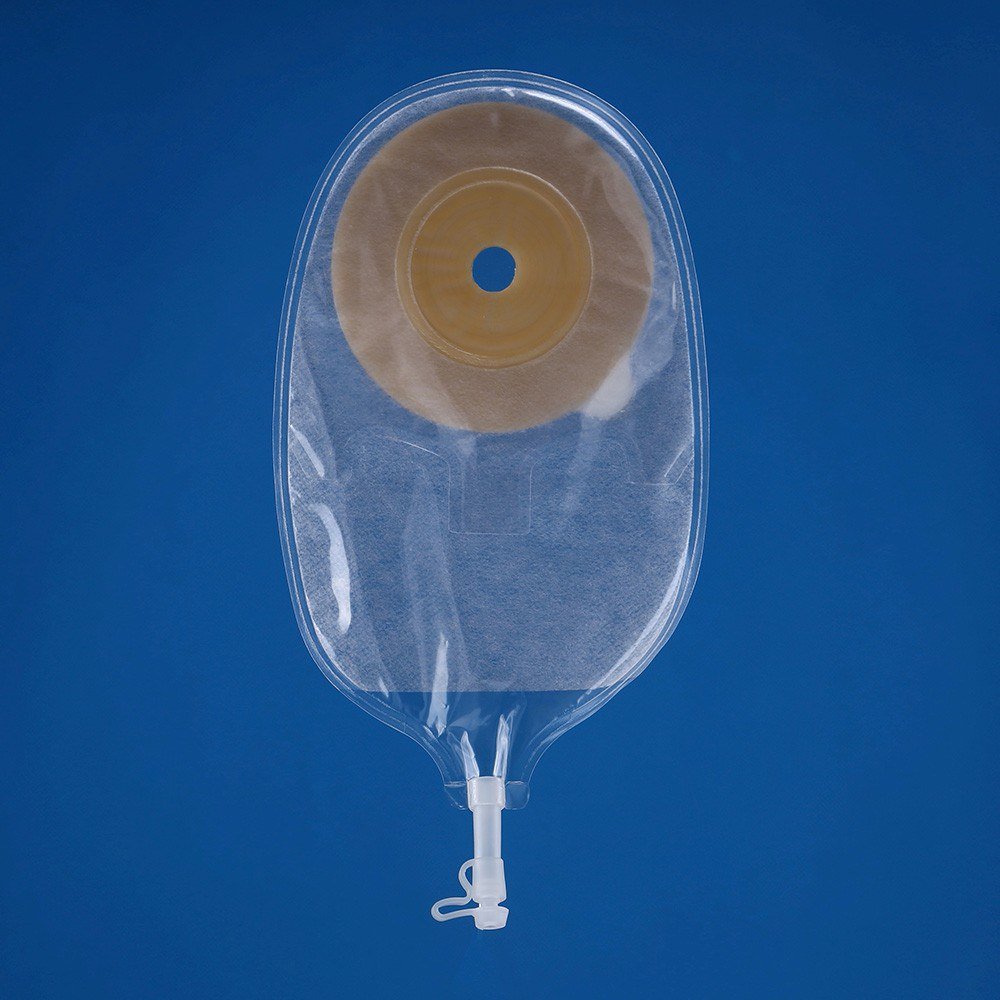
 Ostomy Basics