Over the years, scientists have struggled to research and invented medicines that have helped fight many diseases that affect the human body. Due to different types of infections, people are forced to seek treatment whenever they fall sick. However, some diseases are not common and only affect a small fraction of the world’s population. Inflammatory Bowel Disease (IBD) is a common disease that affects our bodies digestive system without depicting symptoms that are physical to the eye. Over 10 million people worldwide are affected by different types of Inflammatory Bowel Disease, which is spread in over 50 global continents. With such information and facts in mind, it is essential to understand the causes and the symptoms associated with the disease.
The disease is thought to cause irritation and discomfort in the entire digestive system of the human body. It might affect the mouth, oesophagus, small intestines, and large intestines. There are two known Inflammatory Bowel Disease that affects the human digestive system: ulcerative colitis and Crohn’s disease.
Ulcerative colitis
This is the most common type of Inflammatory Bowel Disease that many people suffer from because of its symptoms. The disorder affects the colon and is often characterized by adnominal pains and discomfort. Because of its unique nature, the disease is further classified into three subcategories, namely Ulcerative Proctitis that affects the rectum side of the colon and is thought to be mild and the symptoms are undetected, Universal Colitis affects the entire colon, and the symptoms tend to be more dominant and finally Acute Severe Ulcerative Colitis which affects the entire colon, and the symptoms are adverse. They are characterized by abdominal pains, diarrhea accompanied by blood stains and mucus.
Crohn’s disease
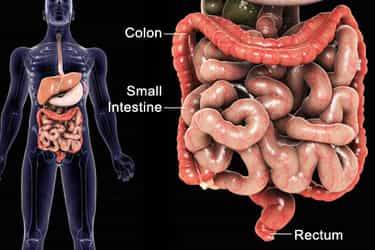
This type of inflammatory disease affects healthy and soft tissues and the human body’s digestive system. The condition may affect any part of the digestive system, but it’s more domicile in the small and large intestines. In fact, according to research conducted among US citizens, about 199 people within a population of 100,000 have Crohn’s disease. The most affected group of people are between the ages of 20 to 29 years. Some major characteristics of the disease include weight loss, anemia, fatigue, diarrhea, anal bleeding.
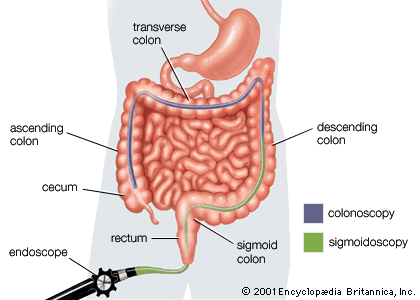
When getting the right diagnosis of Inflammatory Bowel Disease (IBD), it is also good to know how it differs from Inflammatory Bowel Syndrome (IBS). Inflammatory Bowel Syndrome affects the large intestines and is characterized by contents in the colon moving either very fast or very slow. The IBD is a structural disease because it affects the structures of the digestive system. At the same time, IBS is a functional disease because it affects the movements and functionality of the process.
It is also essential to note that there are adverse complications caused by Inflammatory Bowel Disease (IBD) if not treated early. For instance, the conditions can result in the development of colon cancer, joint inflammation and blood clots in the digestive system.
Treatment of Inflammatory Bowel Disease (IBD)
There is no known treatment or cure for IBD but just the management process. People can manage the condition by taking anti-inflammatory medication and choosing a healthy lifestyle. Healthy living and exercising have brought good results to people who had developed the disease, and many have regained their previous health status after choosing specific food diets.
 Ostomy Basics